
Medically reviewed by Maggie Ford, FNP, Aqua Vitae Greenville
If you have been researching ways to improve insulin resistance, manage blood sugar, or support your metabolism, you have probably come across two names: metformin and berberine. Metformin is a widely prescribed medication for type 2 diabetes. In certain cases, it is also used for metabolic concerns linked to polycystic ovary syndrome (PCOS). Berberine, by contrast, is a plant compound. It has drawn attention for its possible effects on blood sugar, cholesterol, and metabolic health.
Some studies have even compared berberine vs. metformin for women directly. But are they equally effective, and what should you know before considering either option? The answer begins with understanding your own metabolic and hormonal health.
What Is Berberine, and How Is It Different From Metformin?
Berberine and metformin are often mentioned in the same breath, but they come from very different places. One is a dietary supplement, and the other is a prescription drug with a long track record.
Where Berberine Comes From and How It Works
Berberine is a naturally occurring compound found in several plants, including barberry and goldenseal. Researchers have studied its possible effects on glucose metabolism, cholesterol, triglycerides, and insulin sensitivity. Some proposed mechanisms involve an enzyme called AMP-activated protein kinase, or AMPK, which helps control energy balance inside your cells.
Although these findings are encouraging, berberine is sold in the United States as a dietary supplement. It is not FDA-approved to treat diabetes, PCOS, or other metabolic disorders.
How Metformin Works
Metformin is a prescription medication with a large body of clinical research supporting its use in type 2 diabetes. It mainly works by lowering the amount of glucose your liver releases. It also helps your body respond better to insulin.
Why Promising Research Does Not Make Them Interchangeable
Berberine has shown some overlapping metabolic effects in smaller clinical studies. Even so, its evidence base is far less established than metformin’s. Promising research on a supplement does not make it a stand-in for a prescription medication. For women managing insulin resistance, PCOS, or prediabetes, treatment decisions should be based on medical history, lab results, and personal risk factors.
Berberine vs. Metformin: What Did the Clinical Trials Find?
A handful of studies have looked at berberine vs. metformin for women with PCOS. The results are interesting, but each has important limitations. Here is what two of the most cited trials found.
A Three-Month Trial in Women With PCOS
A randomized controlled trial followed 89 women with PCOS and insulin resistance. Each woman took berberine, metformin, or a placebo for three months, alongside a hormonal medication. Women taking berberine saw improvements in several metabolic measurements, including:
- Total cholesterol
- LDL cholesterol
- Triglycerides
- Waist circumference
- Certain measures of insulin resistance
Compared with the metformin group, the berberine group showed greater improvements in some lipid and body-composition measures.
What That Trial Cannot Tell Us
The study was fairly small and lasted only three months. In addition, every woman in it had PCOS and was also taking a hormonal medication. For these reasons, the findings do not show that berberine can replace metformin for women in general.
A Second Study Added Myo-Inositol to the Comparison
A 2022 randomized study compared three approaches for women with PCOS: berberine, metformin, and myo-inositol. Researchers looked at body composition, fasting blood sugar, insulin, cholesterol, triglycerides, and several hormone markers. All three groups improved. Berberine showed the most favorable changes in certain lipid, hormone, and body-composition measures. Myo-inositol, meanwhile, showed stronger gains in some blood sugar measures.
These results highlight an important point. Different treatments may affect different metabolic markers, and no single supplement is the best choice for every woman.
Why Insulin Resistance Matters for Women’s Hormonal Health
Insulin resistance is usually discussed in connection with diabetes. For women, though, its effects can reach well beyond blood sugar. The link to hormones shows up in two main ways.
Insulin Resistance and PCOS
In women with PCOS, insulin resistance can contribute to higher androgen levels and other hormonal changes. Because of this connection, improving how the body handles insulin is often part of the conversation about PCOS care.
Metabolic Changes in Midlife
Metabolic changes can also become more noticeable during midlife. Shifts in body composition, sleep, activity, and estrogen levels may all affect metabolic risk during perimenopause and menopause. You may notice more belly fat or trouble managing your weight. Your cholesterol, triglycerides, fasting glucose, A1c, or energy levels may also change.
These symptoms are not unique to insulin resistance and can have many causes. So rather than assuming every metabolic concern is hormonal, a full evaluation can help pinpoint what is going on.
Why Blood Testing Comes Before Choosing a Supplement
There is a lot of information about berberine, metformin, and metabolic supplements online. With so much to sort through, it is easy to focus on finding the right product. A better place to start is your own lab work. Here is why it matters and what it can show.
Start With What Your Body Needs
The more important question may be what your body needs. At Aqua Vitae, we believe metabolic and hormonal health should be evaluated together when clinically appropriate. Comprehensive blood testing gives our providers the information they need to build a plan around you.
Markers Our Providers May Review
Depending on your needs, our providers may look at several key lab markers:
- Fasting glucose and A1c: Show how well your body regulates blood sugar.
- Fasting insulin: Adds more metabolic information for selected patients.
- Cholesterol and triglycerides: Help assess heart and metabolic risk.
- Thyroid function: Checks for possible thyroid-related symptoms.
- Estradiol and progesterone: Support hormone evaluation when clinically indicated.
- Testosterone and SHBG: Especially useful when evaluating androgen-related conditions such as PCOS.
- Liver and kidney function: Provide context for metabolic health and treatment decisions.
Not every woman needs every test. The goal is to choose the right evaluation based on your symptoms, medical history, and risk factors.
A Provider’s Perspective
“Women often come to us frustrated by weight changes, fatigue, or concerns about their metabolism. Instead of guessing which supplement or treatment might help, we look at the bigger picture. Comprehensive bloodwork allows us to evaluate metabolic markers alongside relevant hormone levels so we can make recommendations based on each woman’s individual needs. Questions about metformin and berberine are best answered with lab work before deciding which is right for you.”
Maggie Ford, FNP, Aqua Vitae Greenville
Can Berberine Replace Metformin?
This is one of the most common questions women ask about berberine. The short answer is that the research is not there yet. Here is what the evidence supports and what to keep in mind for safety.
What the Evidence Supports
When it comes to berberine vs. metformin for women, there is not yet enough high-quality evidence to recommend replacing prescribed metformin with berberine. Some small studies have reported similar improvements in selected metabolic measurements. Still, metformin has a much larger body of clinical evidence behind it.
Side Effects, Interactions, and Pregnancy
Berberine can cause digestive side effects, and it may interact with medications. Do not use it during pregnancy or breastfeeding. If you are trying to conceive, talk with your healthcare provider before taking any supplement. Any decision to start, stop, or combine treatments should be made with a qualified medical professional.
This article is for educational purposes and is not intended to diagnose, treat, cure, or prevent any disease. Individual treatment recommendations should be made in consultation with a qualified healthcare provider.
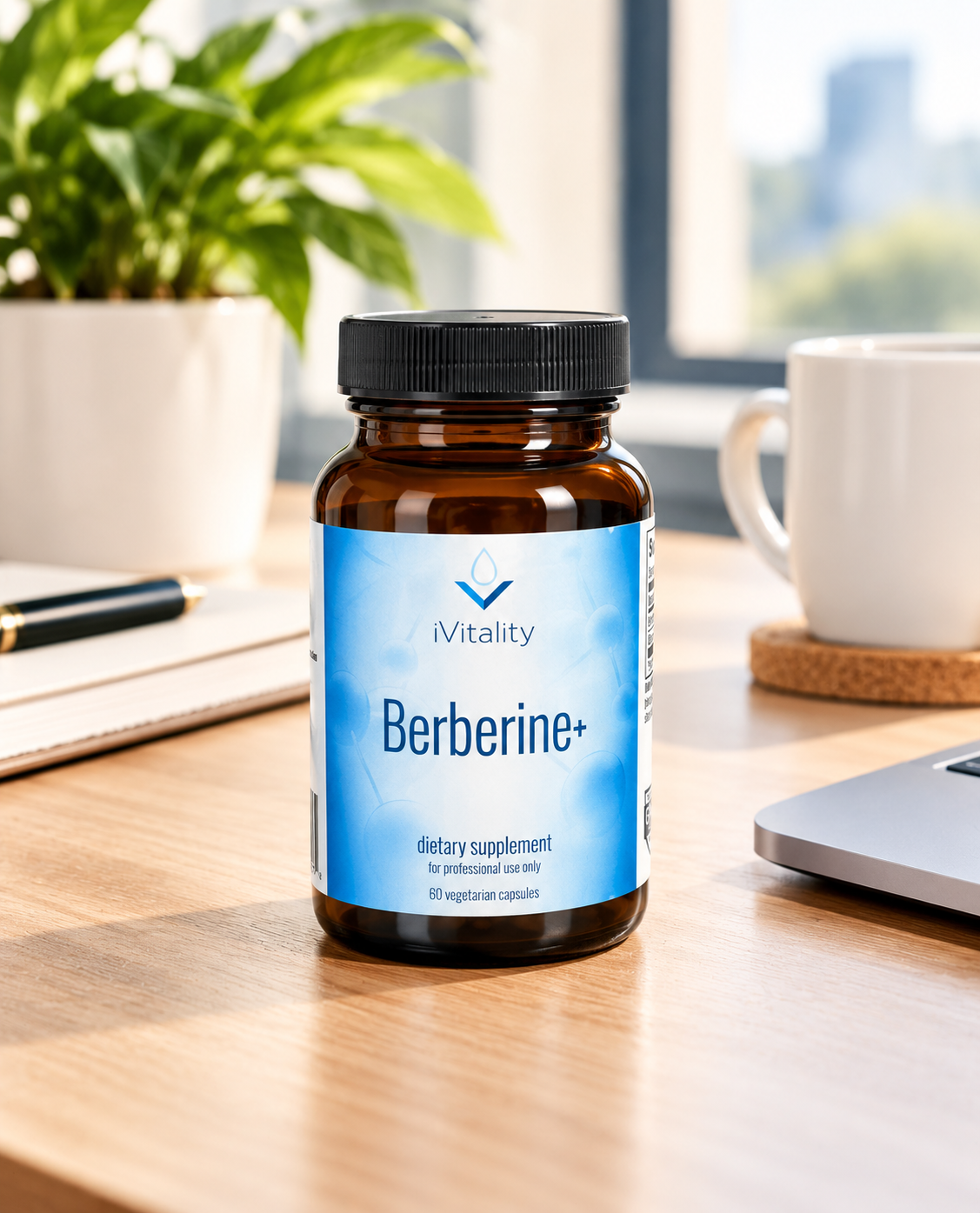
iVitality™ Berberine+: A Closer Look at Our Berberine HCl and Alpha Lipoic Acid Formula
At Aqua Vitae, we believe supporting women’s metabolic health starts with understanding how blood sugar, insulin, and hormones work together. As part of our personalized approach, we offer our own iVitality™ Berberine+ formula. It combines Berberine HCl and Alpha Lipoic Acid (ALA), two ingredients studied for their possible roles in metabolic health.
What Each Ingredient Brings
Berberine HCl has shown promising effects on blood sugar, insulin resistance, and certain cholesterol measurements in clinical research. This includes studies in women with PCOS. Alpha Lipoic Acid is an antioxidant involved in cellular energy production. Researchers have studied its effects on insulin sensitivity and oxidative stress, including in women with metabolic concerns.
What the Research Does and Doesn’t Show
These ingredients may work through complementary pathways, which makes the combination an area of interest in metabolic research. However, the evidence varies by condition and patient group. Research on each ingredient alone does not prove that a combined supplement will produce the same results.
Frequently Asked Questions
Women considering berberine or metformin tend to ask many of the same questions. The answers below cover the most common ones. Your provider can guide you based on your health history.
Is berberine as effective as metformin?
Some small clinical trials have reported similar improvements in certain metabolic markers. However, the evidence is not strong enough to call berberine an equal alternative to metformin.
Can berberine help women with insulin resistance?
Studies in women with PCOS suggest berberine may improve some measures of insulin resistance and lipid metabolism. More research is needed to know how well these findings apply to other women.
Does berberine help with menopause-related weight gain?
There is not enough high-quality evidence to recommend berberine as a treatment for menopause-related weight gain.
Can berberine affect hormones?
Some studies in women with PCOS have found changes in hormone-related measurements. This does not mean berberine has been proven to balance hormones in all women.
Should I get bloodwork before taking berberine?
A healthcare consultation is especially important if you have diabetes, take prescription medications, or have other medical conditions. Baseline and follow-up testing can help assess your metabolic health and guide your care.
Your Metabolic Health Deserves More Than Guesswork
Maybe you are navigating PCOS, perimenopause, or menopause, or you simply want a clearer picture of your metabolism. Either way, the right approach starts with knowing your numbers. That picture comes from your labs, your symptoms, and your goals. Here is how we put those pieces together.
Why Personalized Testing Matters
At Aqua Vitae, our comprehensive blood testing can evaluate glucose, A1c, cholesterol, triglycerides, thyroid function, and relevant hormone markers. Our providers use these results, along with your symptoms and medical history, to build individualized recommendations. Those may include nutrition, lifestyle changes, supplements, hormone therapy, or other medical treatment when appropriate.
Schedule Your Bloodwork and Consultation
Ready to better understand your metabolism? Schedule comprehensive blood testing and a provider consultation at Aqua Vitae to explore a personalized approach to your health. While you are here, ask our team whether our iVitality™ Berberine+ formula fits your wellness goals.
Clinical Sources
- Wei W, Zhao H, Wang A, et al. (2012). A Clinical Study on the Short-Term Effect of Berberine in Comparison to Metformin on the Metabolic Characteristics of Women with Polycystic Ovary Syndrome. European Journal of Endocrinology, 166(1), 99-105. PMID: 22019891
- Jadaun P, et al. (2022). Study on the Effect of Berberine, Myoinositol, and Metformin in Women with Polycystic Ovary Syndrome: A Prospective Randomised Study. Cureus, 14(1), e21781. DOI: 10.7759/cureus.21781
- Utami AR, Maksum IP, Deawati Y. (2023). Berberine and Its Study as an Antidiabetic Compound. Biology, 12(7), 973. DOI: 10.3390/biology12070973
- National Center for Complementary and Integrative Health. In the News: Berberine. nccih.nih.gov
- National Center for Complementary and Integrative Health. 5 Things To Know About Type 2 Diabetes and Dietary Supplements. nccih.nih.gov
This article is for educational purposes and is not intended to diagnose, treat, cure, or prevent any disease. Individual treatment recommendations should be made in consultation with a qualified healthcare provider.